“Non vi è religione superiore alla Verità.”
Elena P. Blavatsky — motto della Società Teosofica
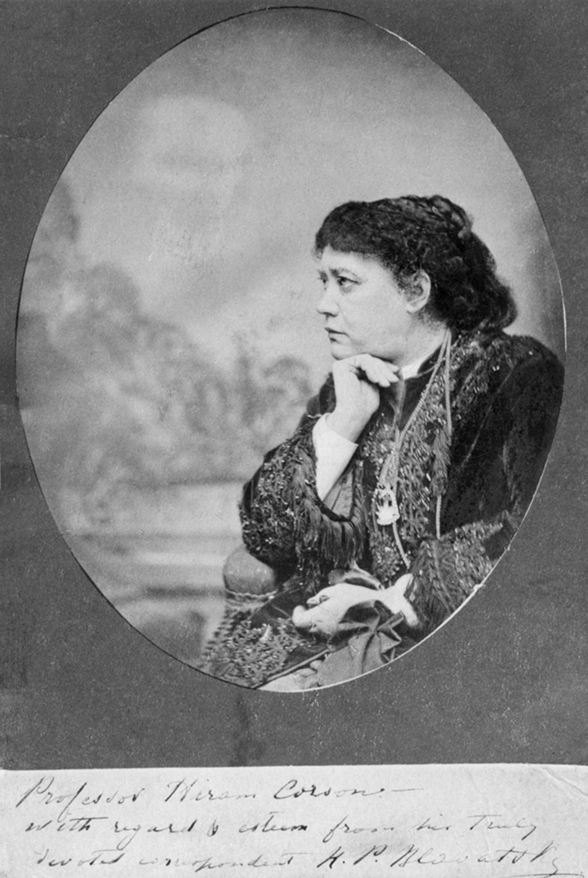
Nata nel 1831 nell'Impero russo, Blavatsky visse in un'epoca in cui l'Occidente stava attraversando una profonda trasformazione. Da una parte la scienza moderna avanzava con forza, proponendo una lettura sempre più materialistica della realtà; dall'altra cresceva il bisogno di ritrovare una dimensione invisibile, sottile, spirituale dell'esistenza. In questo clima si diffusero lo spiritismo, il magnetismo, l'occultismo, l'interesse per l'Oriente e per le antiche tradizioni sapienziali.
Blavatsky si colloca esattamente in questo passaggio storico: il suo compito, almeno secondo la missione che ella stessa sentiva di incarnare, fu quello di ricordare all'umanità che la realtà non si esaurisce nella materia visibile. Dietro il mondo fisico esisterebbero leggi più profonde, piani sottili, corrispondenze invisibili e forze spirituali che collegano l'uomo, la natura e il cosmo.
Una vita come percorso iniziatico
La sua biografia ha il carattere di un vero percorso iniziatico. Dopo un matrimonio giovanile presto abbandonato, Blavatsky viaggiò a lungo tra Europa, Medio Oriente, America e India. Molti episodi della sua vita restano difficili da verificare storicamente, ma questo non diminuisce il valore simbolico del suo cammino. Ella raccontò di essere entrata in contatto con Maestri spirituali, spesso indicati come Mahatma, custodi di una sapienza antichissima tramandata attraverso scuole esoteriche e tradizioni iniziatiche.
Questi Maestri, secondo Blavatsky, non erano semplici guide morali, ma esseri altamente evoluti, capaci di operare su piani superiori della coscienza. La loro funzione era quella di orientare l'evoluzione spirituale dell'umanità e preservare una conoscenza originaria, precedente alle religioni storiche e alle divisioni culturali. Questa idea è centrale per comprendere la teosofia: tutte le grandi tradizioni spirituali deriverebbero da una stessa sorgente primordiale.
La Società Teosofica
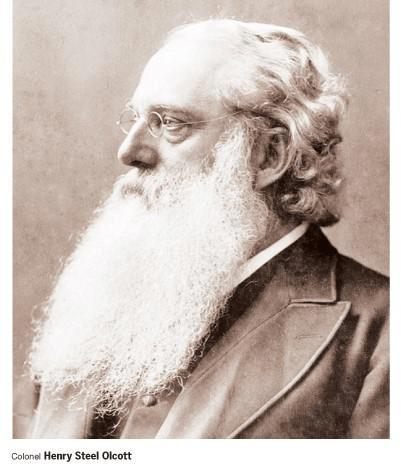
Nel 1875 Blavatsky fondò a New York la Società Teosofica insieme a Henry Steel Olcott e altri collaboratori. Il termine “teosofia” significa “sapienza divina” e indica una conoscenza che non appartiene a una sola religione, ma attraversa tutte le vie autentiche dello spirito. Gli obiettivi della Società Teosofica erano promuovere la fratellanza universale, favorire lo studio comparato delle religioni, della filosofia e della scienza, e indagare le leggi nascoste della natura e le potenzialità latenti dell'essere umano.
“La Dottrina Segreta è l’essenza da cui le grandi religioni traggono origine e verso cui, nel profondo, ritornano.”
Elena P. Blavatsky
Questo ultimo punto è particolarmente importante per chi oggi si occupa di discipline energetiche, radionica, radiestesia, medicina vibrazionale e percorsi olistici. Blavatsky affermava infatti che l'uomo non è soltanto corpo fisico, ma un essere multidimensionale, composto da livelli diversi di coscienza e di energia. La materia visibile sarebbe soltanto il piano più denso di una realtà molto più ampia, nella quale operano forze sottili, vibrazioni, campi invisibili e leggi spirituali.
La Dottrina Segreta
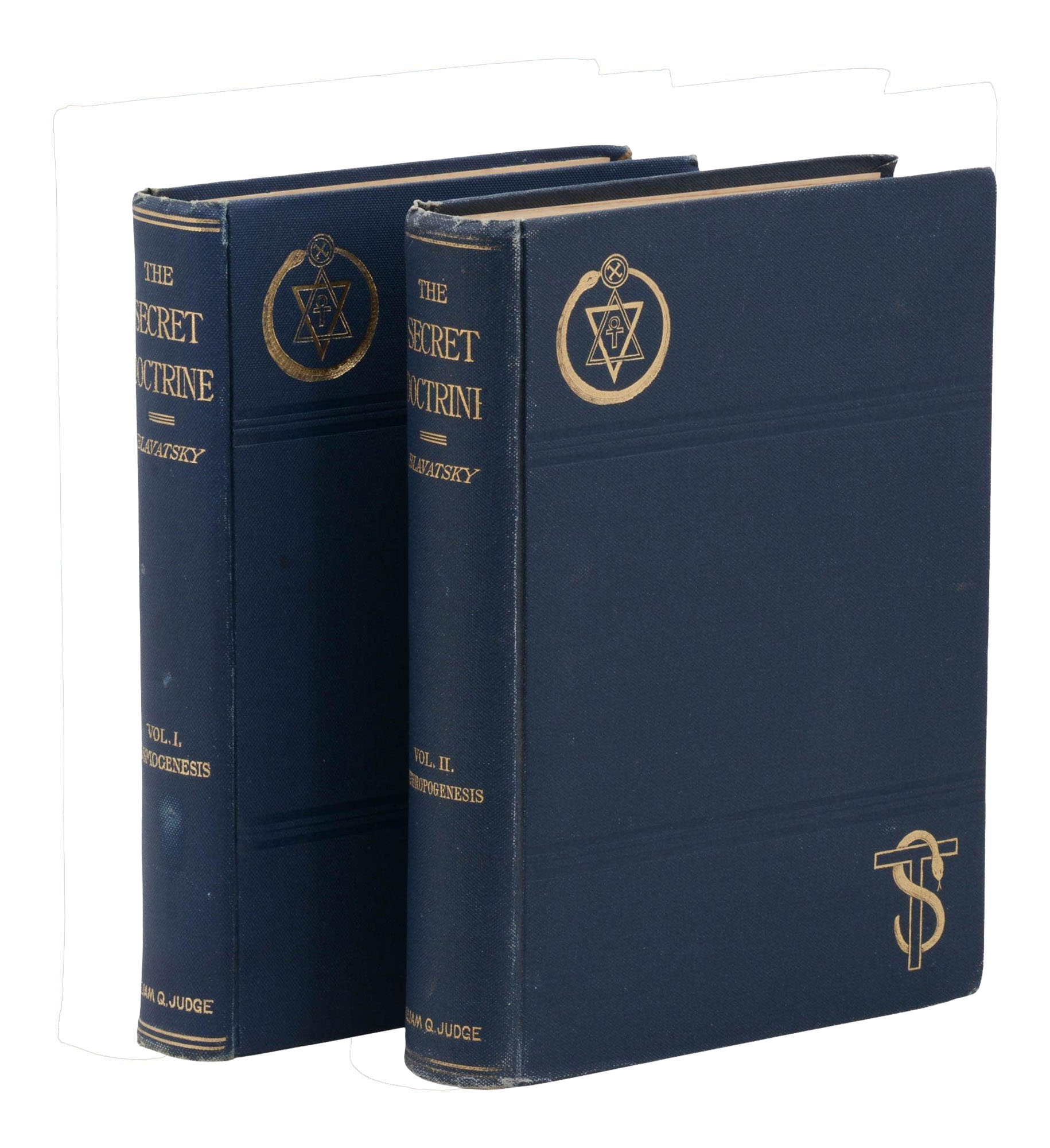
La sua opera più importante, La dottrina segreta, pubblicata nel 1888, rappresenta il cuore del suo insegnamento. Non si tratta di un testo semplice né lineare, ma di una grande cosmologia esoterica. Blavatsky vi raccoglie riferimenti alla filosofia indiana, al buddhismo, alla cabala, allo gnosticismo, all'ermetismo, ai miti antichi e alle tradizioni misteriche, cercando di mostrare che tutte queste vie parlano, con linguaggi diversi, della stessa verità profonda.
La dottrina segreta è divisa in due grandi parti: la cosmogenesi, dedicata all'origine e all'evoluzione dell'universo, e l'antropogenesi, dedicata all'origine e al destino dell'essere umano. Alla base dell'opera vi sono le misteriose Stanze di Dzyan, testi che Blavatsky presentava come frammenti di una sapienza arcaica, custodita in Oriente e accessibile solo attraverso una conoscenza iniziatica.
“Alla base di tutto vi è un Principio eterno, sconfinato e immutabile, oltre il pensiero e oltre la parola.”
Elena P. Blavatsky, La Dottrina Segreta
L'universo come organismo vivente
Il principio fondamentale della Dottrina segreta è che l'universo non sia una realtà meccanica, casuale e priva di senso. Al contrario, il cosmo sarebbe un organismo vivente, attraversato da intelligenza, ritmo, ciclicità e finalità evolutiva. Tutto nasce da un Principio assoluto, indefinibile, oltre ogni immagine personale di Dio. Da questo Principio la manifestazione emerge ciclicamente, come un respiro cosmico: espansione e riassorbimento, nascita e ritorno, visibile e invisibile.
“La vita dell’universo procede per cicli: flusso e riflusso, espansione e ritorno, manifestazione e riassorbimento.”
Elena P. Blavatsky, La Dottrina Segreta
Questa visione è profondamente vicina alla sensibilità olistica contemporanea. L'universo non viene considerato come una macchina, ma come un campo vivente di relazioni. Ogni essere, ogni forma, ogni piano dell'esistenza partecipa a una rete di corrispondenze. Nulla è isolato. L'essere umano è in relazione costante con il cosmo, con la natura, con i piani sottili e con la propria interiorità spirituale.
La visione multidimensionale dell'essere umano
Per Blavatsky, anche l'uomo è formato da più livelli. Il corpo fisico rappresenta solo la parte più esterna dell'essere. Esistono dimensioni più sottili, legate alla vitalità, alla mente, all'anima e allo spirito. Questa concezione anticipa molte idee oggi presenti nel pensiero olistico: la centralità dell'energia vitale, l'esistenza di campi sottili, il rapporto tra coscienza e materia, l'importanza dell'evoluzione interiore.
“La natura non è una combinazione casuale di atomi, ma un ordine vivente attraversato da leggi profonde.”
Elena P. Blavatsky
In questa prospettiva, la malattia, il disagio e lo squilibrio non possono essere compresi soltanto sul piano materiale. Senza sostituirsi alla medicina convenzionale, la visione esoterica invita a guardare l'essere umano nella sua totalità: corpo, mente, energia, emozione, anima. Il riequilibrio profondo non riguarda solo il sintomo, ma l'armonia complessiva dell'individuo con se stesso, con gli altri e con le leggi più sottili della vita.
Blavatsky e le discipline energetiche
È proprio qui che il pensiero di Blavatsky può dialogare con le discipline energetiche moderne. La radionica, la radiestesia e le pratiche vibrazionali si fondano sull'idea che esistano informazioni sottili, campi di risonanza e livelli energetici non percepibili dai sensi ordinari. Blavatsky non parlava di radionica nel senso contemporaneo del termine, ma il suo universo simbolico prepara il terreno a una comprensione più ampia della realtà, nella quale materia, energia e coscienza sono intimamente collegate.
Reincarnazione e karma
Un altro tema centrale è quello della reincarnazione e del karma. Secondo la visione teosofica, l'anima attraversa molte esistenze per apprendere, purificarsi ed evolvere. Ogni esperienza ha un significato nel cammino della coscienza. Il karma non va inteso come punizione, ma come legge di equilibrio, risonanza e responsabilità. Ogni pensiero, azione e intenzione produce effetti, contribuendo alla costruzione del destino individuale e collettivo.
Questa idea ha una grande importanza anche sul piano della crescita personale. L'essere umano non è vittima passiva degli eventi, ma partecipante attivo del proprio percorso evolutivo. La guarigione, in senso spirituale, diventa allora un processo di consapevolezza: riconoscere le proprie disarmonie, comprendere le cause profonde degli squilibri, trasformare i modelli interiori e riallinearsi alla propria natura più autentica.
“Ogni anima è una scintilla dell’Anima universale e attraversa il ciclo dell’incarnazione secondo la legge karmica.”
Elena P. Blavatsky, La Dottrina Segreta
L'eredità in Occidente
Blavatsky contribuì inoltre a portare in Occidente concetti provenienti dalle tradizioni orientali, come karma, reincarnazione, maya, ciclicità cosmica e liberazione spirituale. Il suo Oriente era in parte storico e in parte simbolico: rappresentava il luogo della sapienza antica, della conoscenza interiore e della visione unitaria dell'esistenza. Attraverso di lei, molti ricercatori occidentali iniziarono a guardare oltre i confini del pensiero materialista e delle religioni dogmatiche.
Una figura controversa
Naturalmente, la figura di Blavatsky è stata anche molto discussa. Le sue affermazioni, i fenomeni medianici a lei attribuiti e l'origine di alcuni suoi insegnamenti suscitarono critiche e controversie. Tuttavia, ridurre Blavatsky a una semplice figura controversa significherebbe non comprendere la portata della sua influenza. La sua opera ha contribuito a trasformare profondamente la spiritualità occidentale, aprendo la strada all'esoterismo moderno, alla riscoperta delle tradizioni orientali e a molte correnti olistiche del Novecento.
Una mappa simbolica dell'universo
Oggi La dottrina segreta può essere letta non come un manuale scientifico, ma come una grande mappa simbolica dell'universo e dell'uomo. È un testo che parla di cicli cosmici, piani sottili, gerarchie spirituali, evoluzione della coscienza e unità fondamentale di tutte le tradizioni. Il suo valore non sta tanto nella verifica letterale di ogni affermazione, quanto nella capacità di risvegliare una domanda essenziale: esiste una sapienza nascosta dietro il velo della realtà visibile?
Per chi si occupa di radionica, medicina alternativa e discipline energetiche, Blavatsky rimane una figura preziosa perché invita a superare la separazione tra materia e spirito. La sua visione ricorda che ogni forma manifesta è sostenuta da una dimensione invisibile; che ogni squilibrio può essere letto anche come perdita di armonia; che l'essere umano è parte di un ordine cosmico più vasto; e che la vera conoscenza non è soltanto accumulo di informazioni, ma trasformazione della coscienza.
Per Elena Blavatsky, l’universo non è una macchina senza anima, ma un organismo vivente: ogni forma visibile nasce da una realtà invisibile, ogni ciclo materiale riflette un movimento spirituale, e l’essere umano è chiamato a riconoscere la propria origine divina.
In conclusione, Elena Blavatsky fu una pioniera della spiritualità moderna. La sua vita e la sua opera hanno contribuito a riaprire in Occidente il dialogo con l'invisibile, con l'Oriente, con le leggi sottili della natura e con la dimensione iniziatica dell'esistenza. La dottrina segreta resta il suo lascito più importante: non un semplice libro, ma un invito a guardare oltre le apparenze, a riconoscere l'unità nascosta del cosmo e a riscoprire l'essere umano come ponte vivente tra terra e cielo, materia e spirito, corpo ed energia.
Bibliografia
Opere di H.P. Blavatsky
- H.P. Blavatsky, La Dottrina Segreta. Sintesi di scienza, religione e filosofia, 2 voll., Theosophical Publishing House, Londra, 1888. Edizione di studio: Edizioni Teosofiche Italiane (ETI). Trad. it. integrale: Editrice Crisalide.
- H.P. Blavatsky, Iside Svelata. Chiave dei misteri della scienza e della teologia antiche e moderne, 2 voll., J.W. Bouton, New York, 1877. Trad. it.: Edizioni Teosofiche Italiane.
- H.P. Blavatsky, La Chiave della Teosofia, Theosophical Publishing House, Londra, 1889. Trad. it.: Edizioni Teosofiche Italiane.
- H.P. Blavatsky, La Voce del Silenzio, Theosophical Publishing House, Londra, 1889. Trad. it.: Edizioni Teosofiche Italiane.
- Boris de Zirkoff (a cura di), H.P. Blavatsky: Opere Complete, 15 voll., Theosophical Publishing House, Wheaton (IL), 1950–1991.
Studi e commentari
- Ianthe H. Hoskins, Fondamenti di filosofia esoterica dagli scritti di H.P. Blavatsky, Edizioni Teosofiche Italiane. Testo introduttivo fondamentale, include gli appunti di Robert Bowen su come leggere La Dottrina Segreta.
- Pier Giorgio Parola, La Dottrina Segreta: un modo di pensare. Saggio introduttivo italiano al metodo di lettura dell’opera principale di Blavatsky.
- Massimo Introvigne, La Società Teosofica. Inquadramento storico e dottrinale del movimento teosofico, utile per contestualizzare le opere blavatskiane.
- Sylvia Cranston, HPB: La vita straordinaria e l’influenza di Helena Petrovna Blavatsky, Theosophical Publishing House, New York, 1993. La biografia più completa disponibile.