Il Karma: molto più di «quello che fai ti torna indietro»
Nella cultura popolare occidentale il karma è diventato quasi un detto: «il karma esiste», si dice quando a qualcuno capita qualcosa di brutto dopo aver fatto del male. Ma questa è una semplificazione che riduce a superstizione moralistica un concetto filosofico di straordinaria profondità.
Il termine sanscrito karma (कर्म) deriva dalla radice verbale kṛ, che significa semplicemente «fare, agire». Il karma è dunque, prima di tutto, azione. Ma non qualsiasi azione: è l’azione che lascia una traccia, che produce effetti — non solo nel mondo esterno, ma nell’essere stesso di chi agisce.
Per capirlo davvero, bisogna partire da un’immagine: immagina di lanciare un sasso in uno specchio d’acqua. Le onde si propagano in cerchi sempre più larghi, invisibili dopo un po’, ma reali. Ogni azione intenzionale che compiamo è quel sasso: produce cerchi che continuano a espandersi anche quando non li vediamo più, anche al di là di questa vita.
Il karma nell’Induismo: ordine cosmico, dovere e liberazione
Nell’induismo il karma non è soltanto una questione etica — è una legge cosmica, intrecciata con la struttura stessa della realtà. Funziona con la precisione di una legge fisica: non è un giudice che premia o punisce, non è la volontà di un dio vendicativo. È semplicemente la natura delle cose: ogni causa produce un effetto, ogni azione si inscrive in un registro invisibile che determina le condizioni della vita futura.
Il karma induista opera su tre livelli che convivono.
Il karma rituale. Nelle fonti più antiche — i Veda e le successive scuole interpretative dei Mīmāṃsaka — il karma è soprattutto l’azione sacrificale e rituale. Eseguire correttamente i riti prescritti, offrire il sacrificio giusto al momento giusto, recitare i mantra con la pronuncia esatta: tutto ciò accumula karma positivo e favorisce buone rinascite o la realizzazione di desideri in questa vita. In questa visione arcaica, il rito non è simbolico — è tecnicamente efficace, come premere il tasto giusto su una macchina cosmica.
Il karma etico. Con le Upaniṣad e poi con la Bhagavad Gītā, il fuoco si sposta verso l’intenzione e la condotta morale. Mentire, fare del male, agire con avidità o con odio produce karma negativo. Essere generosi, onesti, compassionevoli produce karma positivo. Questi «depositi» si accumulano nell’anima individuale — l’ātman — e ne determinano le circostanze nella prossima incarnazione: il tipo di corpo, la famiglia in cui si nasce, la casta, la ricchezza o la povertà, la salute o la malattia.
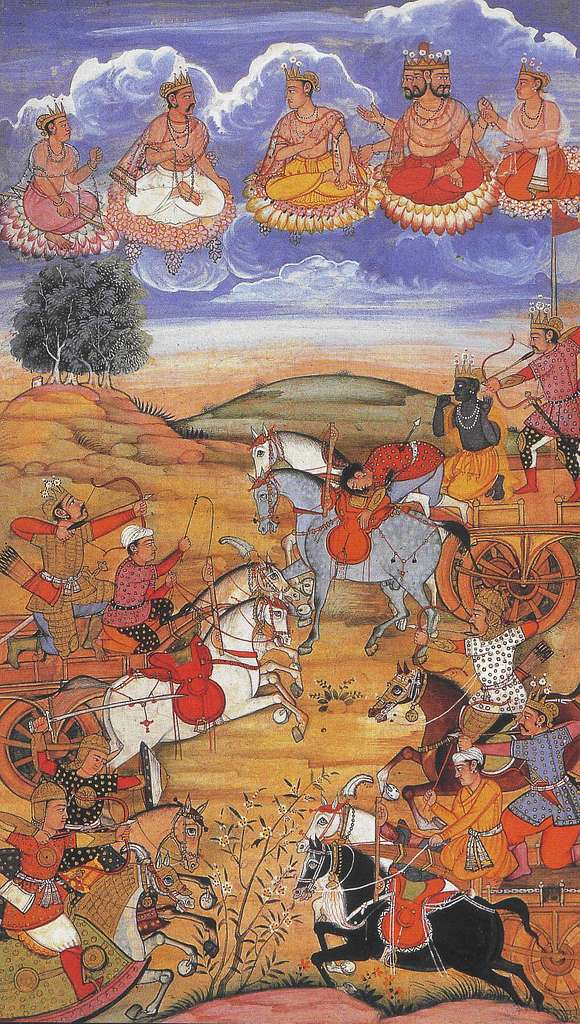
Il karma come vincolo da sciogliere. Ed ecco il punto più sofisticato: anche il karma «buono» è pur sempre karma. Anche le buone azioni, se compiute con desiderio del risultato, ci legano alla ruota delle rinascite (samsara). Il paradosso dell’induismo classico, espresso magnificamente nella Bhagavad Gītā, è che per liberarsi bisogna agire — non ci si può sottrarre all’azione — ma bisogna agire senza attaccamento ai frutti.
“Tu hai diritto all’azione, non ai suoi frutti. Non lasciare che i frutti dell’azione siano il tuo motivo, ma non attaccarti nemmeno all’inazione.”
Krishna ad Arjuna, Bhagavad Gītā
Questo è il nishkāma karma — l’azione senza desiderio — e rappresenta la via maestra per esaurire il karma invece di accumularne di nuovo.
Un’altra immagine utile: il karma è come il debito. Si può accumulare debito cattivo (azioni negative) o debito buono (azioni positive, che in un certo senso ci «devono» delle buone condizioni future). Ma finché si è indebitati — in qualsiasi direzione — si è legati. La libertà vera (moksha) è quando il conto è azzerato: nessun debito, nessun credito, nessun legame.
Il karma nel Buddhismo: l’intenzione è tutto

Il Buddha conosce bene il concetto di karma. Ma quando inizia a insegnare, opera una trasformazione sottile e rivoluzionaria che cambia tutto.
“La mente è il precursore di tutte le azioni. Tutto ciò che siamo nasce con i nostri pensieri. Con i nostri pensieri costruiamo il mondo.”
Dhammapada
Per il Buddha, il karma è intenzione — in pāli, cetanā. Non è l’azione esterna in sé a produrre conseguenze karmiche, ma la volizione consapevole che la origina e la muove. Questo sposta il focus dall’esterno all’interno, dal gesto al cuore del gesto.
Un esempio chiarificatore: un chirurgo usa un bisturi e taglia la carne di una persona. Un assassino usa un coltello e taglia la carne di una persona. Le azioni fisiche sono strutturalmente analoghe. Ma l’intenzione è agli antipodi: uno vuole guarire, l’altro vuole uccidere. Per il buddhismo, il karma prodotto è radicalmente diverso — non perché il risultato esterno sia diverso, ma perché l’intenzione è diversa. È la qualità della mente nel momento dell’azione che conta.
Questo ha conseguenze enormi. Significa che il karma non è fatalismo: non siamo schiavi di azioni passate in modo meccanico. Significa che la trasformazione è possibile, e avviene nella mente. Significa che anche una persona che ha fatto molto male può cambiare la propria traiettoria karmica, qui e ora, trasformando le intenzioni che muovono le sue azioni.
Ma c’è una differenza ancora più profonda rispetto all’induismo, e riguarda chi porta il karma da una vita all’altra. Nell’induismo, è l’ātman — l’anima individuale permanente — a raccogliere il karma come una valigia e a portarla nella prossima incarnazione. Ma il buddhismo nega l’esistenza di un ātman permanente. Allora come funziona il karma tra le vite, se non c’è un’anima che lo trasporta?
Il buddhismo risponde con l’immagine della fiamma: quando accendi una candela dalla fiamma di un’altra, non hai trasferito la stessa fiamma — è una fiamma nuova, nata da quella precedente. Non è identità, ma nemmeno estraneità totale: è continuità causale. Il karma è come quella fiamma: un flusso di stati mentali e condizionamenti che si perpetua e si trasmette causalmente, senza bisogno di un soggetto fisso che lo porti.
Il Dharma: la parola più tradotta e più tradita
Se il karma è spesso ridotto a «quello che si semina si raccoglie», il dharma subisce un destino ancora più tragicomico nella cultura popolare: finisce sulle magliette, nei nomi dei locali vegani, nelle didascalie Instagram, svuotato di qualsiasi significato preciso.
Il termine sanscrito dharma (धर्म) — dhamma nella forma pāli usata dal buddhismo — deriva dalla radice dhṛ, che significa «sostenere, reggere, tenere insieme». Il dharma è dunque, alla radice, ciò che sostiene l’ordine, ciò che regge la struttura della realtà. Ma da questo punto di partenza comune, le due tradizioni si diramano in direzioni molto diverse.
Il Dharma nell’Induismo: l’ordine del mondo e il tuo posto in esso
Nell’induismo il dharma è un concetto stratificato che opera su più livelli simultaneamente — e la difficoltà di comprenderlo per un occidentale sta proprio nel fatto che tutti questi livelli coesistono e si influenzano a vicenda.
Il dharma come ordine cosmico universale. Al livello più alto e astratto, il dharma è la legge che regge l’universo intero: il ciclo delle stagioni, il movimento degli astri, l’alternanza del giorno e della notte, la crescita delle piante, il comportamento degli animali. Ogni cosa nell’universo ha una sua natura e un suo ruolo: il fuoco brucia, l’acqua scorre verso il basso, il sole sorge ad est. Rispettare il dharma significa allinearsi a questo ordine naturale e cosmico, non contraddirlo. Violarlo — non soltanto eticamente, ma anche ritualisticamente o «naturalmente» — è adharma, il disordine, il caos.
È un’idea affascinante e per certi versi analoga al concetto greco di logos o di cosmos: l’universo non è un caos casuale, ma un ordine intelligibile, e vivere bene significa vivere secondo quell’ordine, non nonostante esso.
Il dharma come dovere personale differenziato. Qui l’induismo diventa veramente peculiare — e controverso. Il varṇāśrama-dharma è il dovere specifico di ogni persona in funzione di due coordinate: la propria varṇa (la casta: brahmino, guerriero, mercante, servo) e il proprio āśrama (lo stadio di vita: studente, capofamiglia, ritirato nella foresta, rinunciante totale).
In questo sistema, il dharma non è uguale per tutti. Il brahmino ha obblighi completamente diversi dallo śūdra. Il capofamiglia ha doveri opposti al rinunciante. La donna ha responsabilità diverse dall’uomo. Non si tratta — almeno nella visione classica — di ingiustizia: si tratta dell’idea che l’universo sia organizzato gerarchicamente, e che adempiere perfettamente al proprio ruolo specifico, per quanto umile, sia spiritualmente equivalente al compiere grandi gesta. Un cuoco che cucina con dedizione totale adempie al suo dharma tanto quanto un guerriero che combatte con coraggio sul campo di battaglia.
“Meglio il proprio dharma, anche imperfetto, che il dharma di un altro svolto alla perfezione.”
Bhagavad Gītā
Ovviamente, questo sistema ha anche servito storicamente a giustificare la rigidità castale e le sue ingiustizie — una critica che il buddhismo avrebbe mosso da subito.
Il dharma come virtù universale. Esiste però anche un livello di dharma che trascende caste e stadi di vita: il sādhāraṇa-dharma, le virtù che appartengono a ogni essere umano in quanto tale. Non violenza (ahiṃsā), verità (satya), non rubare, purezza, autocontrollo, compassione, generosità. Queste qualità non dipendono da chi sei nella gerarchia sociale: appartengono all’essere umano come tale. Questo livello del dharma induista è il più vicino a una morale universale nel senso occidentale del termine.
Il Dharma nel Buddhismo: la via, la verità, la realtà
Il Buddha prende questa parola e la riempie di un significato radicalmente nuovo — così nuovo da renderla quasi irriconoscibile rispetto all’uso induista.
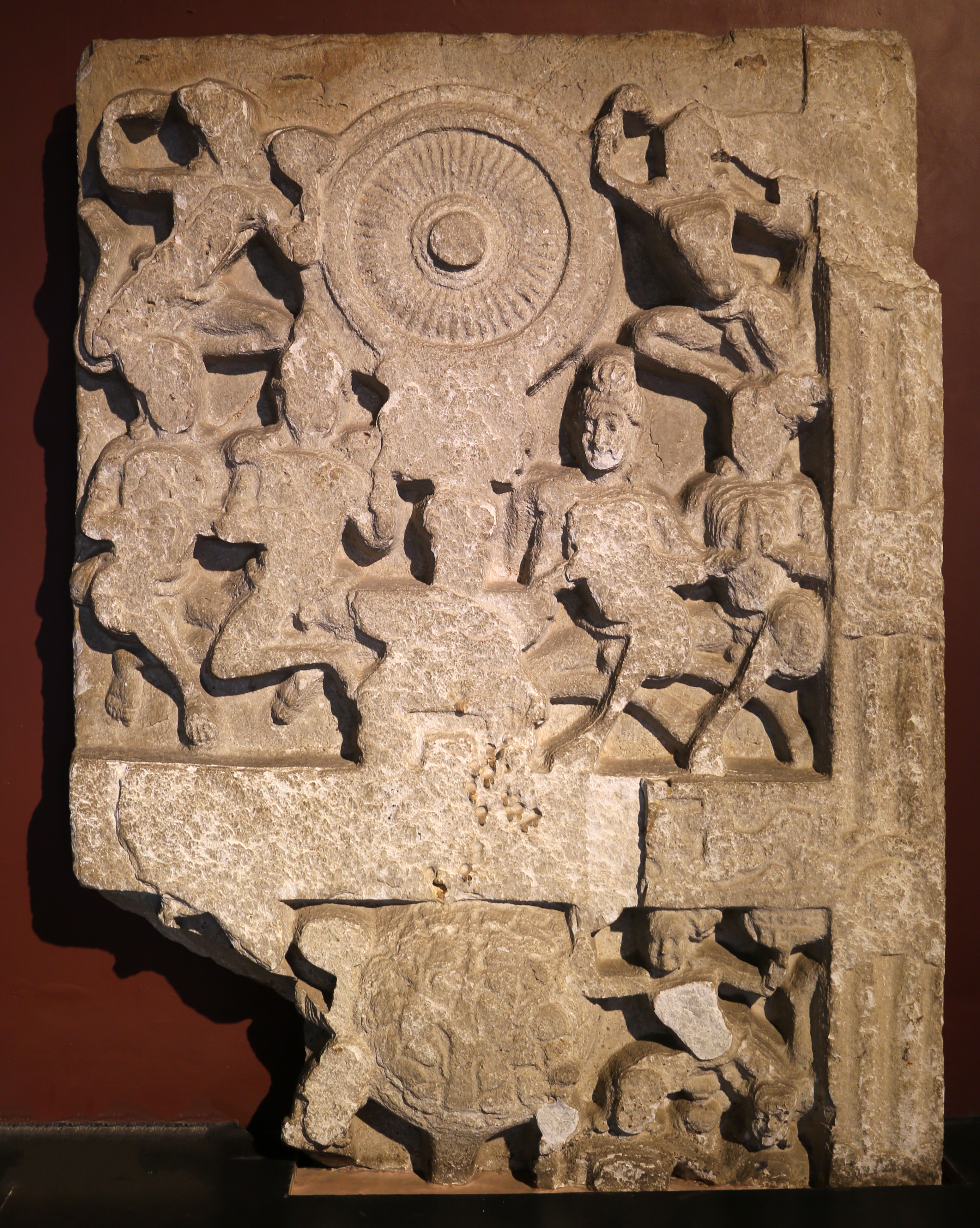
Il Dhamma come insegnamento del Buddha. Prima di tutto, il Dhamma è la dottrina stessa che il Buddha ha scoperto e trasmesso: le Quattro Nobili Verità, l’Ottuplice Sentiero, la legge della produzione condizionata. È il secondo dei Tre Gioielli (triratna) ai quali il praticante buddhista si rifugia: «Mi rifugio nel Buddha, mi rifugio nel Dhamma, mi rifugio nel Saṅgha» (la comunità dei praticanti). Il Dhamma non è qui un ordine cosmico astratto: è una mappa concreta verso la liberazione, la cartografia della sofferenza e del suo superamento.
Il Dhamma come natura della realtà — e i dhammā al plurale. A un livello filosofico più profondo, nella psicologia buddhista elaborata soprattutto nella tradizione Abhidhamma, i dhammā (al plurale) sono i «mattoni fondamentali» dell’esperienza: i fenomeni elementari, i momenti di coscienza, le qualità fisiche e mentali che compongono tutto ciò che esiste. Tutto ciò che percepiamo come solido e permanente — persone, oggetti, il proprio sé — è in realtà un flusso rapidissimo di questi dhammā impermanenti, interdipendenti, privi di sostanza propria. Comprendere i dhammā è comprendere la natura della realtà senza illusioni.
Il Dhamma come via egualitaria e universale. Qui sta la rottura più netta con l’induismo: il Buddha non riconosce che il dharma sia diverso per caste diverse. Quando afferma che «non si è brahmino per nascita, ma per condotta», sta sovvertendo uno dei pilastri dell’ordine sociale induista. Il Dhamma buddhista è uguale per tutti gli esseri senzienti capaci di comprensione. Non esistono obblighi spirituali differenziati per casta, genere o origine sociale. La sofferenza non discrimina; la via per uscirne nemmeno.
Il Dhamma non è nemmeno rivelazione eterna da accettare per fede. Nel celebre Kālāma Sutta, il Buddha dice ai giovani Kālāma qualcosa di straordinariamente moderno: non accettate nulla soltanto perché è tradizione, autorità, testo sacro, logica astratta o opinione del maestro. Accettate ciò che «sapete da voi stessi essere buono, virtuoso e benefico», ciò che porta diminuzione della sofferenza per sé e per gli altri. Il Dhamma si verifica nell’esperienza diretta, non si impone dall’esterno.
Le divergenze dogmatiche fondamentali
.png)
1. Ātman vs Anātman — la questione del sé. Questa è la frattura filosofica più profonda tra le due tradizioni. L’induismo afferma l’esistenza di un ātman permanente, cosciente, identico in ultima analisi al Brahman universale. Il buddhismo lo nega: la dottrina dell’anātman è uno dei tre caratteri fondamentali dell’esistenza, insieme all’impermanenza e alla sofferenza. Ciò che chiamiamo «io» è un aggregato mutevole di cinque componenti (khandha), senza sostanza fissa.
2. Moksha vs Nirvāṇa. Nell’induismo la liberazione è unione o fusione con il Brahman. Nel buddhismo il nirvāṇa è l’estinzione del condizionamento — non fusione con un Assoluto (che non è postulato), ma spegnimento del fuoco del desiderio, dell’odio e dell’illusione.
3. Veda e autorità. L’induismo riconosce i Veda come rivelazione eterna. Il buddhismo non riconosce alcuna autorità esterna infallibile: la verità si verifica nell’esperienza.
4. Dio e il divino. L’induismo è plurale ma essenzialmente teista nelle sue grandi correnti. Il buddhismo è non-teista: i deva esistono come esseri condizionati e impermanenti, ma nessuno può garantire la liberazione altrui.
Conclusione: stessa parola, mondi diversi
Karma e dharma non sono concetti che le due tradizioni condividono: sono parole condivise che custodiscono mondi filosofici divergenti. Come due fiumi nati dalla stessa sorgente che scorrono verso mari diversi.
Nell’induismo, karma e dharma costruiscono un edificio cosmico in cui ogni essere ha il suo posto, il suo ruolo, la sua anima che viaggia attraverso le vite verso la realizzazione finale. Nel buddhismo, diventano strumenti per smontare ogni illusione di permanenza — inclusa quella del sé che compie il karma e segue il dharma.
La differenza non è di grado ma di orizzonte: dove l’induismo trova il fondamento eterno, il buddhismo indica ancora un velo da togliere.
Bibliografia ragionata per lingua
Una selezione commentata per chi desidera approfondire — dalle introduzioni accessibili ai testi accademici.
🇮🇹 In italiano
- Gavin Flood, L’induismo. Temi, tradizioni, prospettive (Einaudi, 2019). Esplora i testi sacri, l’elaborato pantheon, il sistema delle caste e le discipline spirituali: la migliore introduzione accademica disponibile in italiano, solida e aggiornata.
- Vasudha Narayanan, Capire l’induismo (Feltrinelli, 2017). Rende accessibili concetti profondi come karma, dharma e moksha senza banalizzarli. Ideale come primo approccio.
- Giorgio Renato Franci, L’induismo (Il Mulino, 2000). Presenta l’induismo come una ricca cultura antropologica più che come un’unica religione. Snello e preciso.
- Ananda Kentish Coomaraswamy, Induismo e buddhismo (SE, 2013). Un classico assoluto: il nucleo filosofico di entrambe le tradizioni con la profondità di uno studioso che le viveva dall’interno.
- Thich Nhat Hanh, Il cuore dell’insegnamento del Buddha (Neri Pozza). Il grande maestro zen vietnamita spiega in modo poetico e accessibile i concetti chiave del Dhamma, incluso il karma.
- Swami Vivekananda, Karma Yoga (varie edizioni italiane). Il testo classico sull’azione disinteressata: la presentazione più luminosa del nishkāma karma in forma divulgativa.
📚 Testi primari consigliati in qualsiasi lingua
La Bhagavad Gītā resta il testo più accessibile dell’induismo classico per un occidentale; il Dhammapada è l’analogo buddhista — breve, luminoso, denso di saggezza pratica. Per chi vuole addentrarsi nella filosofia buddhista, il Majjhima Nikāya offre la dottrina nella voce stessa della tradizione. Per l’induismo vedāntico, le Upaniṣad principali — Bṛhadāraṇyaka, Chāndogya, Kaṭha — sono la fonte di tutto.