Nel corso dei secoli, uomini e donne sensibili hanno utilizzato bacchette, pendoli, verghe metalliche e altri strumenti per individuare acqua, minerali, oggetti perduti, cavità sotterranee, correnti telluriche e influenze invisibili presenti nell'ambiente. La radiestesia, nella sua forma moderna, nasce dall'incontro tra questa antica sapienza intuitiva e il linguaggio più recente delle radiazioni, delle vibrazioni e della sensibilità energetica.
Dalla rabdomanzia alla radiestesia
Le origini della radiestesia si perdono nella storia. Molte culture antiche attribuivano alla bacchetta, al bastone o al ramo biforcuto un valore simbolico e operativo. Il bastone era strumento di guida, autorità, orientamento e collegamento tra cielo e terra. Con il tempo, questo simbolo assunse anche una funzione pratica: diventò un mezzo per percepire ciò che era nascosto alla vista ordinaria.
La forma più conosciuta di questa pratica fu la ricerca dell'acqua. Il rabdomante camminava sul terreno tenendo tra le mani una bacchetta biforcuta, spesso di nocciolo, salice o altro legno flessibile. Quando passava sopra una vena d'acqua, la bacchetta reagiva con un movimento improvviso, come se una forza invisibile la attirasse verso il basso.
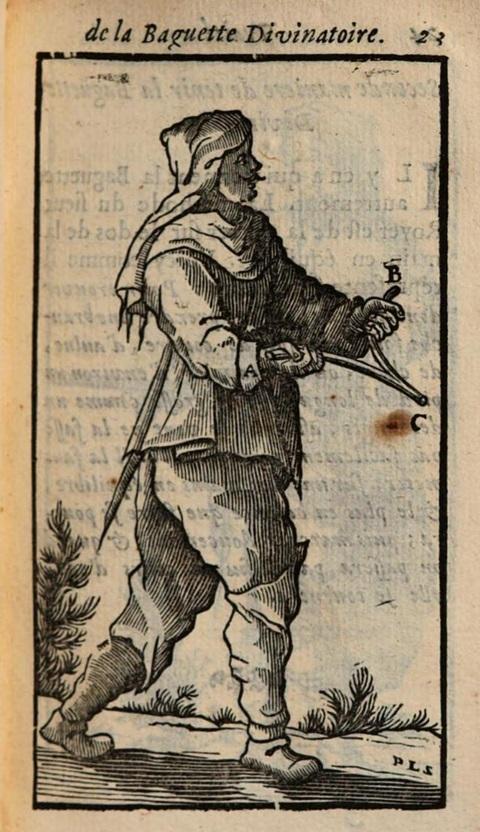
"...per la scoperta delle sorgenti d'acqua, delle miniere, dei tesori nascosti..."
Pierre Le Lorrain de Vallemont, La Physique occulte, 1693
Il libro di Vallemont non nasce come semplice curiosità folclorica: cerca di dare alla bacchetta un posto nel linguaggio naturale e sperimentale del suo tempo. Alla fine del Seicento, acqua, miniere e tesori nascosti appartenevano ancora allo stesso immaginario del sottosuolo, fatto di utilità pratica, mistero e osservazione diretta.
Già nel XVI secolo, nel mondo minerario europeo, la bacchetta era abbastanza diffusa da essere discussa nei trattati tecnici. La radiestesia moderna erediterà proprio questa doppia anima: da un lato arte popolare, dall'altro tentativo di leggere segnali invisibili attraverso uno strumento semplice e una sensibilità allenata.
Per secoli questa pratica fu considerata un'arte popolare, trasmessa di generazione in generazione. I rabdomanti erano consultati da contadini, minatori, costruttori e comunità rurali che avevano bisogno di trovare sorgenti, pozzi o giacimenti. In molti casi il rabdomante era una figura rispettata: una persona dotata di particolare sensibilità verso il territorio e le sue forze nascoste.
L'Europa e la tradizione dei rabdomanti
In Europa, la rabdomanzia ebbe un ruolo importante soprattutto nelle regioni minerarie. Nel Rinascimento, quando l'attività estrattiva si sviluppò con forza in Germania, Boemia, Francia e Inghilterra, la bacchetta del rabdomante veniva utilizzata per individuare vene metallifere e risorse sotterranee.
Una delle testimonianze più note si trova nel mondo minerario del XVI secolo, quando l'uso della bacchetta era già abbastanza diffuso da essere discusso nei trattati dell'epoca. Questo dimostra che la rabdomanzia non era una pratica marginale, ma faceva parte del rapporto concreto tra l'uomo e la terra.
Naturalmente, come spesso accade con le pratiche di confine, la rabdomanzia suscitò sia interesse sia opposizione. Alcuni la consideravano un dono naturale, altri la guardavano con sospetto, associandola alla magia o alla superstizione. Questa ambivalenza accompagnò la radiestesia per molti secoli: da un lato strumento pratico, dall'altro fenomeno misterioso, difficile da spiegare con le categorie ordinarie.
Jacques Aymar e la Francia del Seicento
Tra i pionieri europei più celebri si ricorda Jacques Aymar, rabdomante francese vissuto nel XVII secolo. La sua fama crebbe enormemente quando venne coinvolto in alcune indagini giudiziarie, nelle quali avrebbe utilizzato la bacchetta non solo per cercare acqua o minerali, ma anche per seguire tracce e individuare persone.
La figura di Aymar contribuì ad ampliare l'immaginario della rabdomanzia. La bacchetta non era più soltanto uno strumento legato al sottosuolo, ma diventava un mezzo di percezione sottile, capace di entrare in relazione con informazioni non immediatamente accessibili ai sensi comuni. Il caso di Aymar fece discutere filosofi, religiosi e uomini di scienza, portando la rabdomanzia nel dibattito culturale europeo come fenomeno degno di attenzione.
Il pendolo e la nascita della sensibilità radiestesica moderna
Con il passare del tempo, accanto alla bacchetta si diffuse l'uso del pendolo. Il pendolo offriva una possibilità diversa: non era soltanto uno strumento per camminare sul terreno, ma poteva essere utilizzato anche su mappe, lettere, fotografie, campioni, alimenti, rimedi o tavole di ricerca.
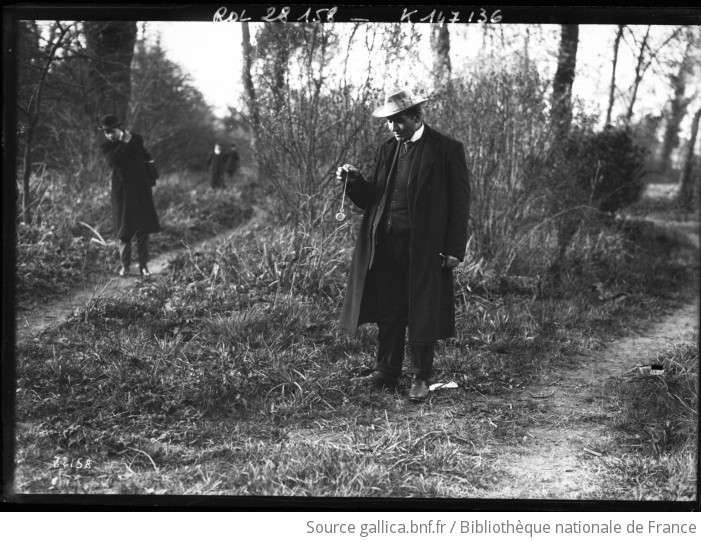
Questa evoluzione fu fondamentale. Il pendolo rese la pratica più sottile, più interiore e più adatta all'indagine simbolica e informazionale. La ricerca non era più limitata al luogo fisico; poteva estendersi anche alla distanza, alla scelta, alla compatibilità, all'orientamento e al riequilibrio.
Nel XIX secolo, il fisico e chimico francese Michel Eugène Chevreul studiò il movimento del pendolo e lo collegò ai movimenti minimi e involontari dell'operatore. Anche se la sua interpretazione era diversa da quella dei radiestesisti, il suo lavoro ebbe un ruolo importante: portò l'attenzione sul rapporto tra sensibilità umana, sistema nervoso, intenzione e strumento. Per la radiestesia, lo strumento non è mai separato dall'operatore: bacchetta e pendolo amplificano e traducono una risposta sottile che passa attraverso la sensibilità della persona.
L'Abbé Bouly e la nascita del termine "radiestesia"
La parola radiestesia nasce in Francia nel primo Novecento. Il termine viene tradizionalmente associato all'Abbé Alexis-Timothée Bouly, sacerdote francese e grande ricercatore nel campo della percezione sottile.
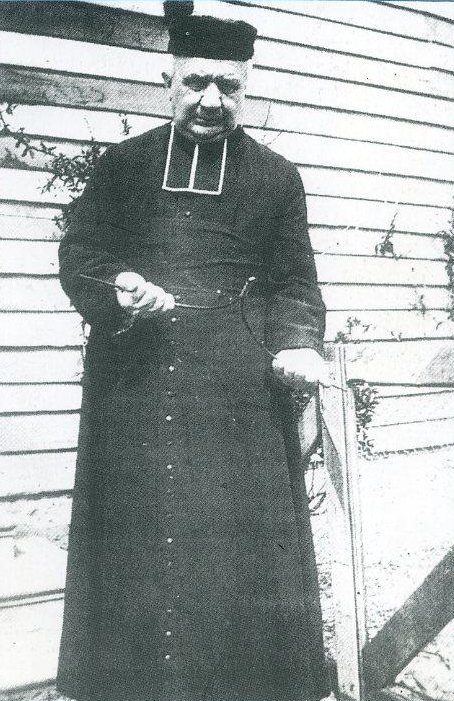
"Ogni corpo, animale, vegetale, minerale, è un accumulo di energia le cui vibrazioni si diffondono in tutto l'universo."
Abbé Alexis-Timothée Bouly
Il termine unisce l'idea di "radiazione" a quella di "sensibilità" o "percezione". La radiestesia può quindi essere intesa come la capacità di percepire radiazioni, vibrazioni o influenze sottili emesse da persone, luoghi, oggetti, sostanze e organismi viventi.
Questo passaggio linguistico fu decisivo. La pratica antica della rabdomanzia veniva riletta in una chiave nuova, più moderna e più vicina alla sensibilità scientifica del tempo. Non si parlava più soltanto di bacchette o di "arte del cercatore d'acqua", ma di un campo più ampio, legato alle radiazioni naturali e alla facoltà percettiva dell'essere umano. Bouly contribuì anche alla creazione di associazioni e ambienti di studio, favorendo il passaggio dalla pratica individuale alla ricerca organizzata.
L'Abbé Mermet: il grande maestro della radiestesia europea
Tra i nomi più importanti della radiestesia europea spicca quello dell'Abbé Alexis Mermet, sacerdote svizzero-francese considerato da molti uno dei grandi maestri della radiestesia moderna.
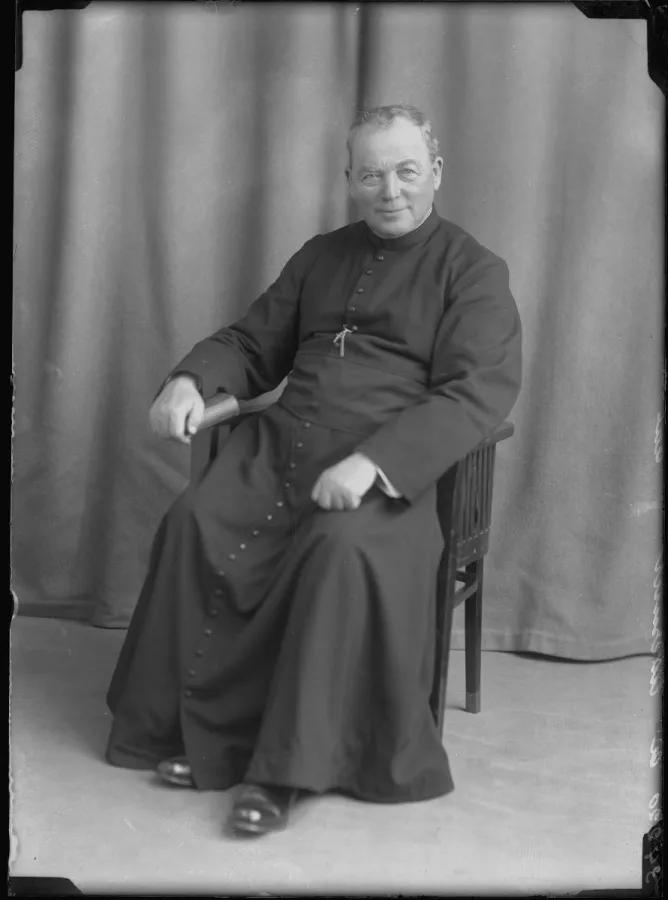
"In radiestesia, in realtà, sono soltanto i fatti ad avere importanza primaria."
Abbé Alexis Mermet, Principles and Practice of Radiesthesia
Mermet proveniva da una famiglia in cui l'uso della bacchetta era conosciuto e praticato. Nel corso della sua vita sviluppò una metodologia personale basata sull'impiego del pendolo, applicandola alla ricerca dell'acqua, dei minerali, delle persone scomparse e anche alla cosiddetta teleradiestesia, cioè la radiestesia praticata a distanza.
La sua opera ebbe un'influenza enorme perché mostrò che la radiestesia poteva andare oltre la ricerca sul terreno. Con Mermet, il pendolo diventò uno strumento di indagine sottile capace di lavorare su mappe, fotografie e testimoni. Questo lo avvicina molto alla sensibilità della radionica, che considera il testimone come collegamento informazionale con il soggetto o il luogo da analizzare. Mermet fu anche un grande divulgatore, influenzando profondamente le scuole radiestesiche europee del XX secolo.
Altri pionieri europei
Accanto a Bouly e Mermet, molti altri ricercatori contribuirono alla crescita della radiestesia in Europa. In Francia, Belgio, Svizzera e Italia si formarono gruppi di studio, associazioni e correnti di ricerca dedicate alla radiestesia fisica, mentale, medica, agricola e ambientale. In Francia si sviluppò una tradizione particolarmente ricca, spesso legata a sacerdoti, medici, ingegneri e studiosi indipendenti.
Nel Regno Unito, il dowsing mantenne una forte relazione con la ricerca dell'acqua, dell'archeologia e delle energie del territorio. Nel 1933 nacque la British Society of Dowsers, una delle organizzazioni più importanti per la diffusione e lo studio della pratica nel mondo anglosassone. Da quel momento, il dowsing britannico iniziò a strutturarsi in modo più organizzato, con riviste, incontri, ricerche e gruppi specializzati.
La radiestesia in America: dal "water witching" al dowsing moderno
In America, la radiestesia arrivò soprattutto attraverso le tradizioni europee portate dai coloni. Nelle campagne e nelle zone rurali degli Stati Uniti prese il nome popolare di water witching, cioè ricerca dell'acqua con la bacchetta.
Il contesto americano favorì molto questa pratica. In territori vasti, agricoli e spesso difficili da esplorare, trovare acqua era una necessità concreta. Il rabdomante o water witcher veniva chiamato per individuare il punto migliore in cui scavare un pozzo, cercare sorgenti o localizzare vene sotterranee.
Con il tempo, il dowsing americano si ampliò. Non riguardò più soltanto l'acqua, ma anche minerali, petrolio, oggetti smarriti, mappe, salute energetica, armonizzazione degli ambienti e ricerca spirituale. L'America, con il suo spirito sperimentale e pionieristico, accolse il dowsing come una pratica flessibile, intuitiva e aperta a molte applicazioni.
Henry Gross e la popolarità del dowsing americano
Una figura importante nella storia americana del dowsing fu Henry Gross, rabdomante del Maine, divenuto noto nel XX secolo soprattutto grazie al libro di Kenneth Roberts, Henry Gross and His Dowsing Rod. Gross era conosciuto per la sua abilità nella ricerca dell'acqua e divenne un personaggio emblematico del water dowsing americano. La sua figura rappresenta bene una caratteristica del dowsing americano: la combinazione tra esperienza pratica, intuizione personale e racconto popolare.
Verne Cameron e gli strumenti del dowsing moderno
Un altro nome centrale nella tradizione americana è Verne L. Cameron, conosciuto per le sue ricerche e per lo sviluppo di strumenti radiestesici innovativi. Cameron lavorò con dispositivi specifici per la localizzazione e l'esplorazione delle energie sottili, tra cui il celebre Aurameter, strumento ancora oggi noto in molti ambienti radiestesici.
Con Cameron, il dowsing americano assunse un carattere più sperimentale. Non si trattava soltanto di utilizzare la classica bacchetta biforcuta, ma di creare strumenti capaci di amplificare e rendere più leggibile la risposta dell'operatore. Questo spirito di ricerca avvicinò ulteriormente la radiestesia alla radionica e allo studio dei campi sottili.
La nascita dell'American Society of Dowsers
Nel 1961 venne fondata nel Vermont l'American Society of Dowsers, una delle organizzazioni più importanti per la diffusione del dowsing negli Stati Uniti. La sua nascita segnò un passaggio fondamentale: il dowsing americano entrava in una fase più organizzata, con conferenze, riviste, gruppi locali, scuole e incontri annuali.
L'American Society of Dowsers contribuì a creare una comunità di praticanti, studiosi e insegnanti. Il dowsing non era più soltanto una tradizione tramandata nelle campagne, ma diventava un campo di ricerca condiviso, aperto a molte prospettive: pratica, spirituale, ambientale, terapeutica, intuitiva e conoscitiva.
Europa e America: due anime della stessa ricerca
La radiestesia europea e il dowsing americano hanno sviluppato caratteristiche diverse, ma complementari. In Europa, soprattutto in Francia, Svizzera e Belgio, la radiestesia si è spesso presentata come disciplina sottile, metodica e quasi "scientifica" nel linguaggio: radiazioni, onde, sensibilità, teleradiestesia, quadranti, pendolo e testimoni. In America, invece, il dowsing ha mantenuto un carattere più pratico, pionieristico e intuitivo, legato alla ricerca dell'acqua, alla vita rurale, alla sperimentazione individuale e alla libertà di applicazione.
Queste due anime si incontrano perfettamente nella visione contemporanea. La radiestesia moderna è infatti sia arte intuitiva sia metodo di indagine; sia tradizione popolare sia ricerca sottile; sia ascolto della terra sia percezione dell'informazione.
Radiestesia e radionica: due vie vicine
La radiestesia e la radionica sono discipline sorelle. Entrambe partono dall'idea che ogni essere, luogo, sostanza o situazione possieda una propria impronta energetica e informazionale. Entrambe utilizzano strumenti, testimoni, intenzione e risonanza per entrare in relazione con ciò che non è immediatamente percepibile dai sensi ordinari.
La radiestesia può essere vista come l'arte dell'ascolto e della rilevazione. La radionica, invece, aggiunge spesso una dimensione di riequilibrio, trasmissione e intervento informazionale. Insieme, esse formano un campo di ricerca vasto e affascinante, che invita l'essere umano a riscoprire la propria sensibilità profonda.
Una tradizione viva
Oggi la radiestesia continua a essere praticata in molti paesi del mondo. Alcuni la utilizzano per cercare acqua o studiare il territorio; altri per lavorare con il pendolo, le mappe, i quadranti, gli ambienti, le piante, gli animali o il benessere energetico della persona.
Il suo fascino nasce proprio dalla semplicità degli strumenti e dalla profondità dell'esperienza. Una bacchetta, un pendolo o una coppia di aste possono diventare ponti tra il visibile e l'invisibile, tra la mente razionale e la percezione sottile, tra l'uomo e il campo energetico che lo circonda.
La storia della radiestesia mostra che l'essere umano ha sempre cercato modi per dialogare con le forze nascoste della natura. Dai rabdomanti europei ai water witchers americani, dagli abati francesi ai ricercatori moderni, questa arte ha attraversato secoli, culture e continenti. La radiestesia non è soltanto una tecnica: è una forma di ascolto. È la capacità di porsi in relazione con la terra, con l'acqua, con gli esseri viventi e con le informazioni sottili che attraversano la realtà.
In questo senso, la radiestesia resta una via di ricerca viva, attuale e profondamente umana: un ponte tra tradizione, intuizione e consapevolezza.